

In order to safeguard an organization’s digital assets, networks, and data from cyber threats like ransomware, data breaches, and illegal access, IT security solutions include a wide range of technologies, tools, and procedures. In the modern business era, every company is basically a technology company. Your most useful assets, client data, intellectual property, financial records, and functional systems, live within your IT infrastructure. Securing these digital assets is no longer a job only for the IT department; it is a crucial mandate for business survival and expansion.
For companies in the United Arab Emirates, particularly in fast-growing tech centers such as Abu Dhabi, the change to cloud services and remote work has dramatically increased the attack surface. Conventional perimeter protections are no longer enough. The new battleground is everywhere: on every laptop, in every cloud application, and with every user identity.
The most vital IT security solutions available today, paying attention to the best tool that will fortify your business against complicated advanced threats. We will cover the main pillars of cutting-edge protection, making sure your strategy is strong and future-proof.
The Main Pillars of Modern IT security solutions
To really secure your assets, you require an integrated, layered system. Below are the main areas where you should deploy modern tools –
1. Identity and Access Management – Securing the Door
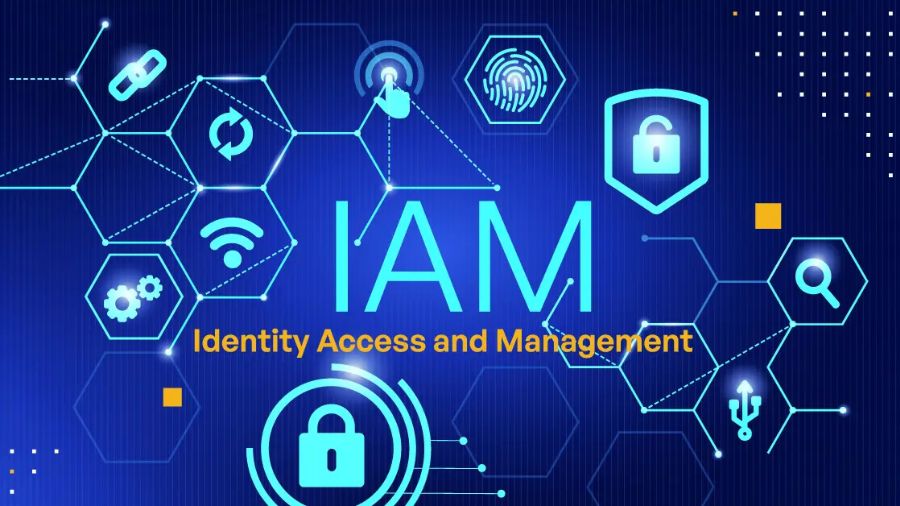
In the cloud world, the user’s recognition has become the new protection perimeter. If a hacker steals a single password, they can potentially access dozens of crucial systems. IAM tools are the basic protection against this threat. Key tools and operations of IAM –
Single Sign-on – This tool permits users to log in once with one collection of credentials and gain access to all sanctioned applications. This removes password fatigue, which usually leads workers to utilize weak passwords or reuse them across systems.
Multi-Factor Authentication – This is non-negotiable. MFA demands that a user verify their identity in at least two ways. This prevents more than 99% of identity-based attacks.
Zero-Trust Architecture – A guiding philosophy that means never trust, constantly verify. Every user, gadget, and application attempting to access a resource should be constantly examined, no matter whether they are inside or outside the company network. IAM tools enforce the guidelines required for ZTA.
2. Endpoint Security Solutions – Protecting Devices

An endpoint is any gadget linked to your network, such as laptops, desktops, servers, and mobile phones. Since employees usually work remotely or utilize personal devices, these endpoints are the main targets for ransomware and malware. Conventional antivirus software is outdated; you require advanced endpoint security solutions. Main tools and functions of EDR/XDR –
Endpoint Detection and Response – EDR tools constantly supervise activity on an endpoint. They utilize machine learning to find suspicious behavior and only known malware signatures. If ransomware begins encrypting files, EDR immediately isolates the gadget and prevents that attack.
Extended Detection and Response – XDR takes EDR a stage further by gathering and correlating data not only from the endpoint, but also from email, network, and cloud sources. This delivers a single, unified view of a threat, permitting the system to find complicated, multi-stage attacks that jump between various parts of the IT environment.
Behavioral Threat Modeling – These tools construct a baseline of normal behavior for every user and device. Any deviation, like a login from an unusual site or a sudden big file transfer, is instantly flagged as a high-risk anomaly.
3. Cloud Security Solutions – Securing the Environment

Virtually every business today utilizes cloud services. The crucial thing to note is the shared responsibility model – the cloud provider protects the infrastructure of the cloud, but the client is responsible for the protection in the cloud. Cloud security solutions are developed to fulfill this client responsibility.
Cloud Security Posture Management – These tools constantly scan your whole cloud environment for misconfigurations. Simple mistakes, such as a publicly accessible storage bucket or a weak password policy, are the #1 cause of cloud breaches. CSPM automatically finds these flaws and usually suggests or conducts remediation.
Cloud Access Security Broker – CASB works as a security gate between your users and cloud applications. It enforces protection guidelines, monitors user activity, and controls data loss in all SaaS application protection.
Cloud-Native Application Protection Platforms – CNAPP is a rising, unified solution that merges CSPM, CWPP, and CIEM into one outlet, delivering broad protection for applications constructed directly in the cloud.
4. SaaS Application Security – Protecting Your Data in Third-Party Apps
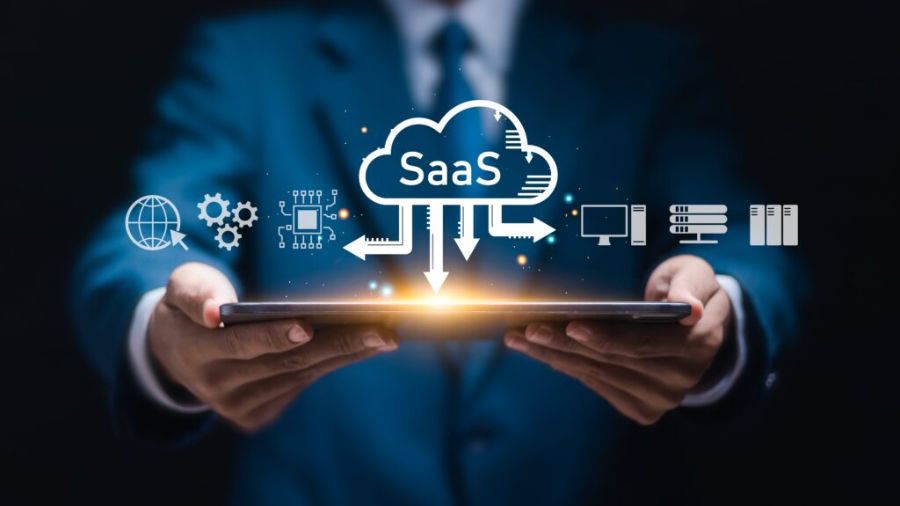
Advanced companies depend on software as a service applications, such as Salesforce, Microsoft 365, or specialized industry tools. While the SaaS provider manages the underlying infrastructure protection, the data and configuration within the app are your responsibility. This is where committed SaaS application security tools come in.
SaaS Security Posture Management – Similar to CSPM for infrastructure, SSPM constantly supervises your SaaS applications for dangerous settings. This comprises checking for over-privileged user access, making sure MFA is enabled, and auditing data sharing approvals.
Data Loss Prevention for SaaS – These tools supervise the data flow within and out of SaaS applications. If an employee tries to download a list of 10,000 client statements or share a document marked confidential, the DLP tool stops the action and notifies the protection team.
Shadow IT Discovery – Workers usually sign up for new, unsanctioned SaaS tools. SSPM and CASB equipment assist in discovering these unapproved applications, which usually represent a huge protection gap.
5. Security Information and Event Management (SIEM)/ Extended Detection & Response (XDR)
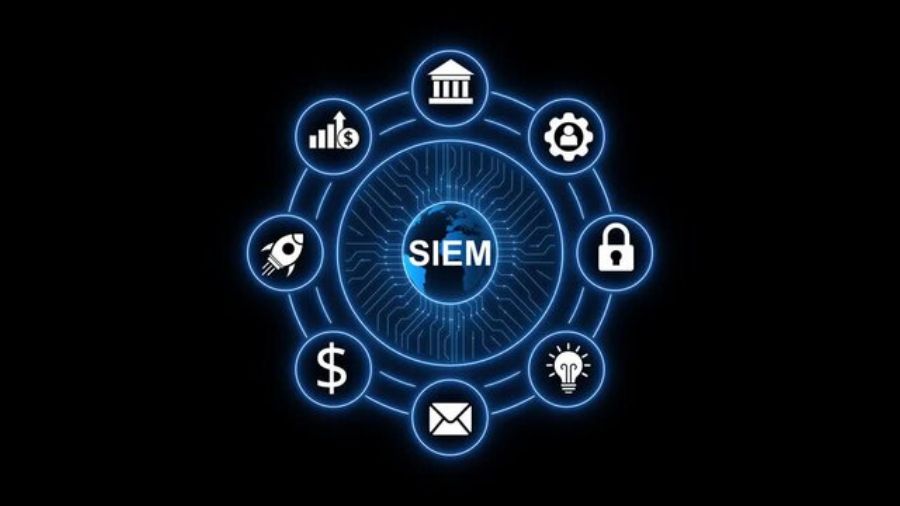
The final, unifying layer is the outlet that brings all the data together.
SIEM Tools – SIEM systems gather protection logs and event data from every device, application, firewall, and cloud system in your network. They utilize strong analytics and Artificial Intelligence to correlate seemingly unrelated cases to find complicated threats that an individual tool might miss. For instance, a failed login attempt merged with an unusual procedure launch might trigger a high-focus alert that signals an attempted break-in.
Automated Response – Contemporary SIEM and XDR outlets incorporate Security Orchestration, Automation, and Response abilities. This means that when a threat is confirmed, the system can automatically take action, such as isolating a device, blocking an IP address at the firewall, or revoking a user’s entry, without requiring a human protection analyst to intervene instantly.
Conclusion
Transitioning from a reactive (cleaning up after a breach) to a proactive (preventing the breach entirely) mindset is necessary to protect your IT assets in today’s dynamic environment.
These fundamental pillars form the foundation of an effective IT security solutions strategy –
1. Identity – Use strong Identity and Access Management (IAM) to protect each user.
2. Endpoints – Use cutting-edge Endpoint security solutions (EDR/XDR) to protect every device.
3. Cloud Infrastructure – Use cloud security solutions (CSPM/CNAPP) to avoid configuration errors.
4. SaaS Applications – Use SaaS application security (SSPM/CASB) to manage data access and sharing within third-party apps.
5. Intelligence – Use SIEM/XDR to unify all data for quick detection and reaction.
By putting these cutting-edge tools into practice and utilizing the local, specialized knowledge of companies like Bluechip Abu Dhabi, you can create a safe, robust IT environment that can withstand the threats of the future. The time to protect your investments is now.


