

In the evolving digital world, businesses in the UAE are focusing on identifying the best data storage systems to support their needs. As data growth explodes, the comparison of cloud storage vs on-premise storage has become even more relevant.
Both of them have their own advantages and disadvantages based on key factors like data privacy laws, internet infrastructure, business needs in the UAE, and more.
The purpose of this blog is to highlight the key differences between storage options and allow organizations to learn and make informed decisions about their data storage strategy in a region where digital transformation is happening quickly. So, let’s dive straight into the blog.
What is Cloud Storage?
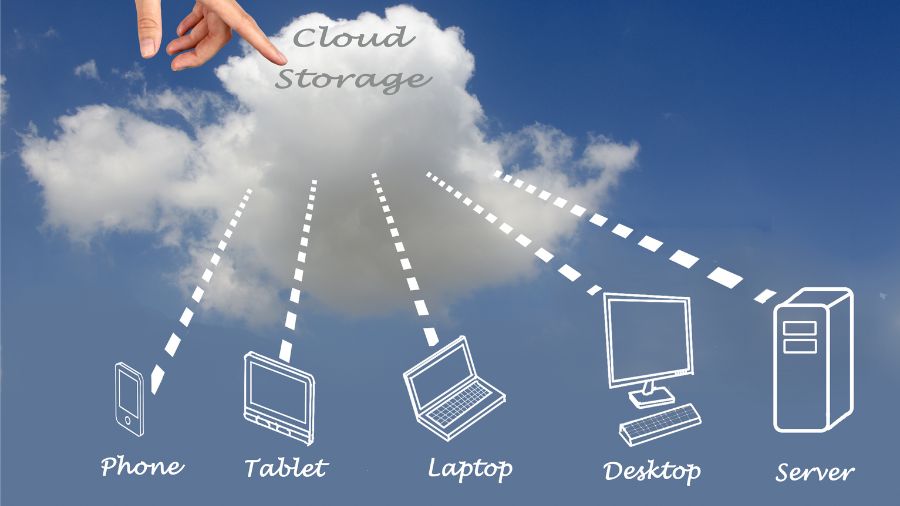
When it comes to cloud storage, your files are stored on external servers owned and usually operated by a separate company. Unlike on-premises storage, cloud storage allows access to the data anywhere, and this can be crucial for a business that has remote employees.
There have been more cloud storage options introduced over the past couple of years than ever before, with options for businesses of all shapes and sizes in the UAE. As long as there is internet connected to your device, you can access your data easily and quickly, which keeps your team connected.
Moreover, cloud storage also has built-in data protection systems that incorporate encryption, backup, and disaster recovery systems to keep your data secure.
Also Read: Top Cybersecurity Solutions for Abu Dhabi Businesses 2025
What Is On-Premises Storage?

On-premises storage is one of those data storage systems where the data is stored on local hardware such as servers, computers, or other devices. For example, if you buy a server and put it in the office, you and your team are able to store data on that server. As the server is operated locally, this is called on-premises storage.
When you store your data on-premises, you own all of the equipment, and you are accountable for maintenance and expenses related to the storage hardware. In addition, you must be responsible for managing data protection systems like software and license updates as well as keeping your system secure, safe, and performant.
Key Differences Between Cloud vs On-Premise Storage

Deciding whether to go for on-premise or cloud-based data storage systems depends on your business needs. Both of these storage systems have their specific advantages and disadvantages. Here is an overview of On-Premise vs Cloud Solutions:
- Deployment
- On-Premise Storage: When you opt for an on-premise storage solution, your company is responsible for everything from start to finish. Everything is yours and on your premises, including software, servers, and infrastructure. Therefore, it becomes your responsibility to run and maintain the system efficiently.
- Cloud Storage: Cloud computing means that your data and software will be hosted by a service provider, and you will access and use it over the internet. The service provider is responsible for the data protection systems.
- Cost
- On-Premise Storage: During the on-premise storage setup, you pay for everything, including hardware, electricity, server rooms, maintenance on that hardware, etc. Therefore, there could be high upfront costs.
- Cloud Storage: You only pay for what you use. There are no hardware costs or maintenance. Therefore, this can result in cheaper costs over time.
- Control
- On-Premise Storage: On-premise data storage systems allow businesses in the UAE to have complete control. You decide how you manage the data and protect it. Therefore, it comes across as beneficial for industries that work with very sensitive information.
- Cloud Storage: The data is being stored by a third party, and may be concerning, or you may lose access to your data if there is downtime or a technical issue. This loses your control and comprehensive ownership of the data.


- Security
- On-Premise Storage: Strong security and privacy are easier to comply with your data protection systems, particularly government, health care, banking industries, etc. Therefore, on-premise storage is preferred by these sectors due to the tighter security requirements of on-premise systems.
- Cloud Storage: Some cloud providers spend money on security protections, but breaches still happen. Companies concern themselves with leaked passwords, hacked information, etc. That’s why companies are still cautious with complete movement to the cloud.
- Compliance
- On-Premise Storage: For organizations that must strictly follow regulations (such as HIPAA, FERPA, etc.), keeping things on-premises is beneficial, and you always know where things are and who controls access.
- Cloud Storage: If you go in the cloud direction, you need to make sure your provider is following the same rules. It is up to you to verify that your data storage and data protection systems are secure and meet what the law may require.
On-Premise vs. Cloud: Making the Right Decision for Your Business in the UAE

Choosing suitable data storage systems can be challenging, as each choice has its advantages. On-premise storage offers the strongest levels of control and security, which is very important for companies that manage sensitive data. On the other hand, Cloud storage tends to be less expensive to set up, and it allows data to be accessed anywhere, which is significant for organizations that have many remote or distributed employees.
The final recommendations depend on the specific needs of your organization, future plans for growth, and compliance requirements.
How Bluechip Gulf Can Help Your Business Choose the Right Storage Solution?

Bluechip Gulf, a premier IT service provider in Abu Dhabi, has extensive regional expertise and technical experience to help businesses in the UAE effectively navigate the cloud vs on-premise storage choice. Here are their suggestions for your organization in making the right choice:
- Personalized Consultation: Bluechip Gulf understands your company’s individual business requirements, compliance needs, and budget in order to recommend which of the data protection systems is right for you.
- Complete Implementation: Bluechip Gulf will provide complete deployment (cloud migration or secure on-premise infrastructure build) and ensure you do not face any operational downtimes or configuration hassles.
- Data Security and Compliance: The team of Bluechip Gulf understands UAE data laws and regulations, including leading global standards, and will build secure storage solutions that enable your systems to be 100% compliant in line with regulations, such as GDPR or local government guidelines.
- 24/7 Technical Support: A support team will provide ongoing surveillance, resolution of issues, and proactive fixes with respect to your storage infrastructure.
- Growth IT Strategy: Bluechip Gulf can offer adaptable scaling storage strategies that are able to scale alongside your company’s growth, and are adaptable to increased data needs and changes to your operational requirements.
With Bluechip Gulf’s insights and recommendations, UAE businesses have the tools to select a storage solution suitable for performance, cost, and security.
Also Read more:


