

Blog
What Is Deepinder Goyal’s Temple Device? Brain Tracker Explained in Simple Words (UAE Guide)


If you follow global startup founders, future technology, or health-tech innovation, you may have recently seen a viral clip of a man wearing a small device attached to the side of his head during a podcast. That person was Deepinder Goyal.
He is a well-known tech entrepreneur whose company, Zomato, operates across several international markets, including the UAE.
The unusual gadget instantly caught attention among audiences in Dubai, Abu Dhabi, and other global innovation hubs, leading to one big question:
What exactly is this “Temple” device, and what does it measure?
This article explains the Temple brain tracker in simple words, especially for UAE readers, without technical understanding or hype.
What Exactly Is the Temple Device?
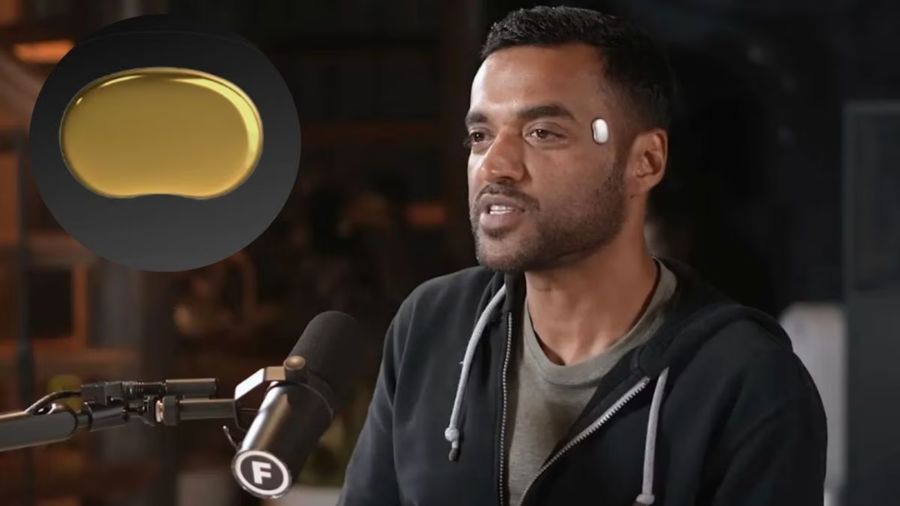
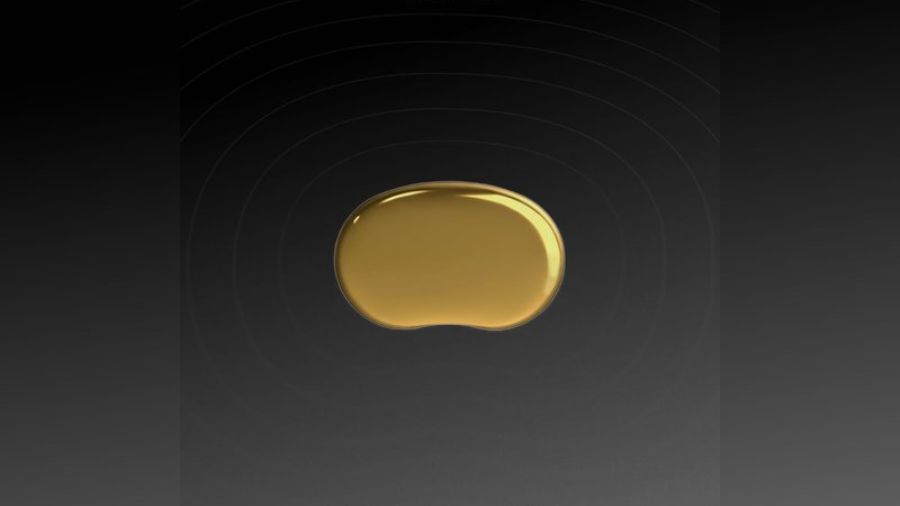
The Temple device is an experimental brain-monitoring wearable worn on the temple area of the head (the flat region between the forehead and ear). In simple terms:
Temple is a research device designed to estimate blood flow and oxygen levels near the brain.
It is not:
- A smartwatch
- A medical scanner
- A mind-reading gadget
And most importantly, it is not a consumer product available for purchase.
Why Is the Temple Device Being Talked About in the UAE?
The UAE has a strong interest in:
- Longevity and preventive healthcare
- Wearable health technology
- Founder-led innovation and experimental research
Because of this, a brain-tracking wearable worn by a global tech founder naturally gained attention across UAE tech, wellness, and investment circles.
What Does the Temple Brain Tracker Measure?
The Temple device is designed to estimate:
- Blood flow near the brain
- Oxygen levels in that blood
Think of it like this:
- A smartwatch measures heart rate at the wrist
- Temple attempts to measure circulation signals near the brain
Important to understand:
- These are surface-level estimates
- It does not measure thoughts, emotions, or intelligence
- It does not replace medical brain scans
Is the Temple Device a Medical or Approved Product?

No.
The Temple device:
- Is not approved by UAE health authorities
- Is not FDA-approved
- Cannot diagnose or treat any condition
Medical experts say it should be viewed as a research prototype, not a clinical tool.
Why Was the Temple Device Created?
The device is linked to a personal research idea related to ageing and blood circulation. The goal is to collect long-term data to study how posture, lifestyle, and circulation may affect brain health over time. This theory is experimental and not yet proven by mainstream medical science.
Frequently Asked Questions
1. Is the Temple device a brain-reading or mind-control gadget?
No. The Temple device does not read thoughts, emotions, or memories. It only tracks circulation-related signals such as blood flow and oxygen levels near the brain.
2. What is the price of the Temple brain tracker?
There is no official price.
- Temple is not commercially sold
- Any price mentioned online is pure speculation
3. Where can I buy the Temple device in the UAE?
You cannot buy the Temple device in the UAE or anywhere else.
It is:
- Not available on Amazon, Noon, or wellness stores
- Not sold through hospitals or clinics
- Used only for private research
4. Is the Temple device available in Dubai or Abu Dhabi?
No. The device has not launched in Dubai, Abu Dhabi, or any GCC country.
5. Is the Temple brain tracker safe to use?
Since it is:
- Experimental
- Not regulated
- Not clinically validated
Doctors advise not to rely on it for health decisions. Its long-term safety and accuracy are not yet established.
6. Can the Temple device diagnose brain diseases?
No.
Temple cannot diagnose:
- Alzheimer’s
- Stroke
- Dementia
- Neurological disorders
Only certified medical imaging tools can do that.
7. What are the pros of the Temple device?
Potential benefits (theoretical):
- Encourages innovation in brain-health research
- Raises awareness about circulation and ageing
- Explores future wearable health possibilities
8. What are the cons or limitations of the Temple device?
Current limitations include:
- No medical approval
- No proven clinical accuracy
- Measures only surface-level signals
- Not available to the public
Experts warn against misinterpreting its data.
9. Is Temple similar to smartwatches or fitness trackers?
Not really.
| Smartwatches | Temple Device |
| Consumer health product | Research prototype |
| Tracks heart rate & steps | Tracks brain circulation signals |
| Widely validated | Experimental |
10. Is the Temple device related to religion or spirituality?
No. The name Temple refers only to the temple area of the head, not religion, meditation, or spiritual practices.
11. Will the Temple device launch publicly in the future?
There is no official confirmation about a commercial launch, pricing, or UAE availability.