
Blog
Disaster Recovery VS Backup – What Abu Dhabi Businesses Must Know


In the advanced economic hub of Abu Dhabi, data is the most crucial asset. Companies run on technical outlets, making every transaction, customer file, and functional procedure dependent on the health of their IT infrastructure.
When an IT failure strikes, whether it is a cyberattack, a hardware malfunction, or a human mistake, the capability to recover rapidly determines whether a business survives or fails.
This crucial requirement for resilience has led to widespread confusion between disaster recovery vs. backup. While both are crucial elements of a detailed data security strategy, they serve various objectives.
For companies in Abu Dhabi, comprehending this difference is the first step toward protecting real business continuity. Selecting the appropriate disaster recovery solutions makes sure that your corporation can withstand major crises and remain functional.
Downtime cost for UAE Businesses

The financial and respective damage caused by IT downtime in the United Arab Emirates is remarkable. Losing access to crucial systems, even for some hours, can halt profit generation, harm client trust, and cause huge recovery costs.
- Financial Impact – Industry reports suggest that for several corporations, the expense of IT downtime can range from AED 10,000 to more than AED 50,000 per hour, sometimes reaching hundreds of thousands of dirhams for big financial or e-commerce functions. This expense includes low profit, decreased employee efficiency, and costly, last-minute remediation efforts.
- Intangible Damage – Beyond the money, downtime severely affects client loyalty, tarnishes the brand’s standing for trustworthiness, and can cause non-adherence fines if crucial data is compromised or lost.
Given these high stakes, just having a copy of your data is insufficient; you should have a scheme to restore functions immediately.
What Is Data Backup?

A data backup is crucially a copy of your crucial details, files, folders, databases, and system images, which is stored in a separate, protected site.
The main objective of a backup is data restoration. It is your insurance policy against small, basic incidents –
- Accidental deletion of a crucial file by an employee.
- A localized hardware failure.
- Corruption of an individual database or application.
Local, Cloud & Offsite Backups
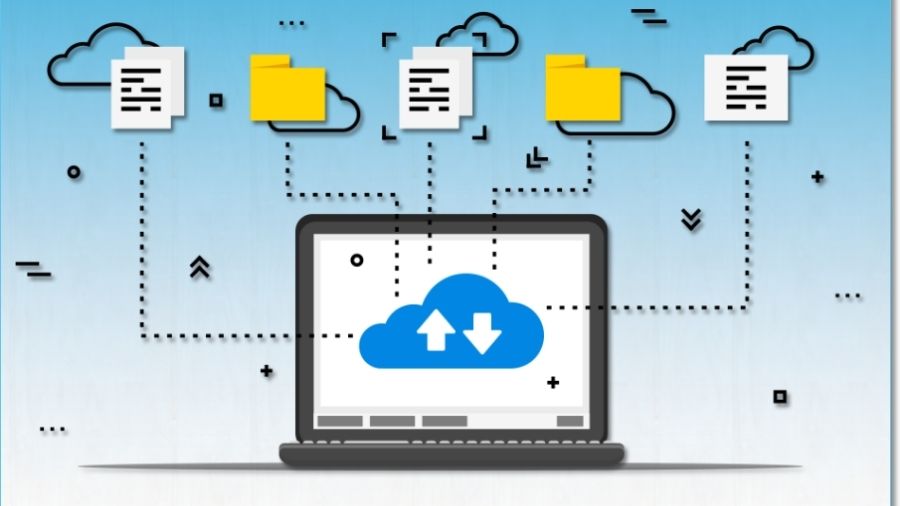
To be really useful, a backup strategy should comply with the 3-2-1 rule –
- 3 copies of data
- 2 different media types
- 1 offsite copy
What Is Disaster Recovery?
Disaster recovery is a broad collection of guidelines, tools, and processes that enable the quick resumption of crucial IT functions and services following a catastrophic event. It is a strategic plan that encompasses not only the data, but the whole infrastructure, servers, networks, applications, and their configurations.
DR Planning, Failover & Recovery Time –
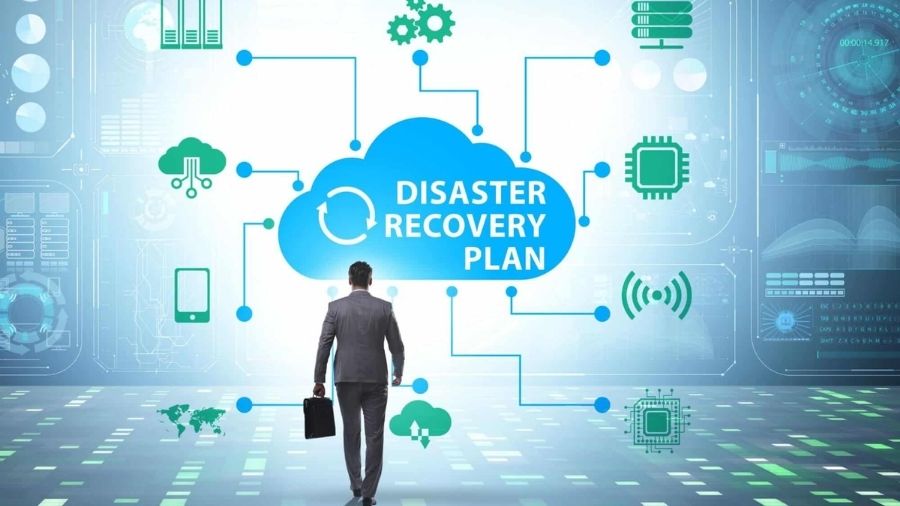
Disaster recovery depends on two crucial metrics described during the planning stage –
Recovery Point Objective – This describes the maximum acceptable amount of data loss measured in time. A low RPO demands near-constant data replication.
Recovery Time Objective – This describes the maximum acceptable downtime prior to when the business functions should be restored. It is the target time for restoring the whole system and can be measured in minutes or hours.
A main component of DR is failover, which is the automated procedure of switching from the main IT infrastructure to a redundant, replicated system at the DR site. This is usually done utilizing virtualization and replication technologies to make sure minimal interruption.
Disaster Recovery vs Backup (Comparison Table)
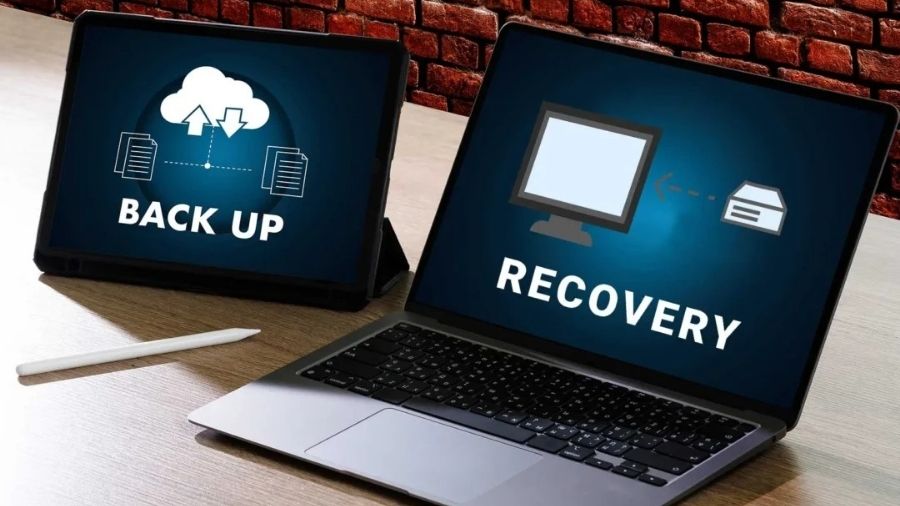
To outline the difference, Abu Dhabi companies must view the connection as interdependent, not interchangeable. Backups deliver the data; DR delivers the pace and the tools to restore the whole company.
| Feature | Data Backup | Disaster Recovery (DR) |
| Primary Goal | Data restoration (files, folders, small data sets). | Restoration of entire business operations and IT services. |
| Scope | Copies of data. | Copies of data, applications, servers, operating systems, and network configurations. |
| Speed (RTO) | Can take hours or days to download data and rebuild servers. | Designed for rapid recovery; systems typically restored in minutes or a few hours. |
| Trigger | Minor data corruption, accidental deletion, single disk failure. | Major failures, site disasters (fire, flood), large-scale cyberattacks (ransomware). |
| Key Metric | Recovery Point Objective (RPO). | Recovery Time Objective (RTO) and RPO. |
Why Backup Alone Is Not Enough

Imagine a ransomware attack encrypts all your corporation’s servers in your Abu Dhabi office.
- Backup Solution – You have a clean backup copy of all your files and server images from the day before.
- The Problem – Restoring these files means manually buying new hardware, establishing new running systems, reinstalling all applications, configuring network settings, and then finally beginning the long procedures of copying data back, a procedure that can take days or even a week. The RTO is unacceptable, and the business loses millions.
A backup system saves your data; a disaster recovery system saves your business continuity by recovering the whole working environment immediately, utilizing pre-configured, redundant infrastructure.
Real-Life Scenarios Where DR Saves Businesses

Scenario 1 – Major Fire in the Server Room – A fire ruins all the physical servers in the primary office.
Backup only – Data is secure in the cloud, but the corporation is non-functional for weeks while new hardware is sourced, installed, and configured.
DR Solution – The moment the fire is found, the automated DR system fails over to a cloud or secondary data center. Workers are immediately redirected to the replicated systems and resume work within minutes.
Scenario 2 – Ransomware Attack – Malware encrypts every file on the network.
Backup only – You have clean data, but the time to restore the whole business is very long, severely affecting main contracts.
DR Solution – The IT team just powers down the infected production environment and resumes the replicated, clean version of the network from the previous uninfected snapshot. The recovery time is hours, not days.
How to Choose the Right DR Strategy in Abu Dhabi
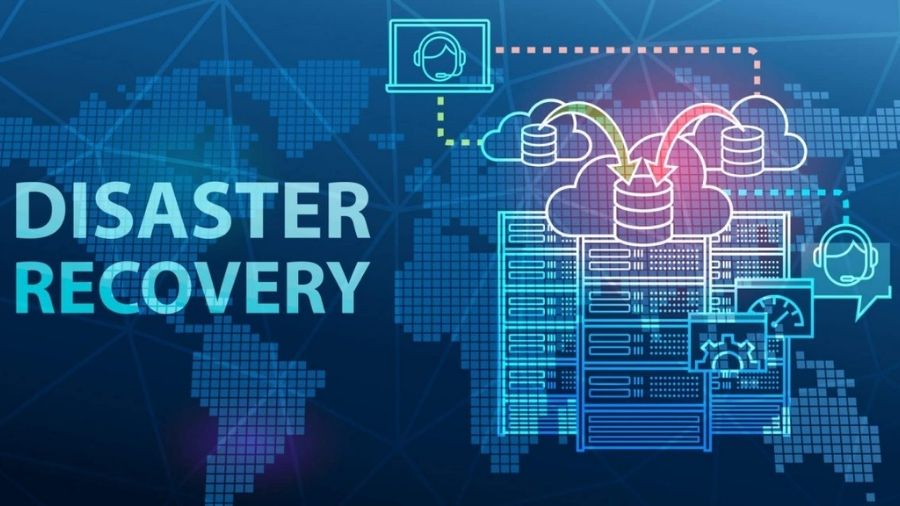
For companies to execute the appropriate disaster recovery solutions, they should work with professional providers such as Bluechip Gulf Abu Dhabi to perform a detailed evaluation –
- Risk Assessment – Recognize the most likely dangers and the most crucial business operations that can’t tolerate downtime.
- Define RPO and RTO – Classify applications and data. These purposes will determine the needed technology.
- Choose the DR Method –
- DRaaS – Extremely suggested for SMEs and big companies. The recovery site is hosted and handled by the vendor, delivering a flexible and affordable solution without the requirement for a secondary data center.
Hot/Warm Site – Sustaining a secondary, ready-to-use physical data center.
- Test, Test, Test – A DR plan is useless if it has not been tested. Routine, non-disruptive DR drills are crucial to validate the RTO and train the group.
Veeam Backup & Disaster Recovery Solutions by Bluechip Gulf
Selecting the appropriate technology partner is the key to successful backup and disaster recovery services. Bluechip Gulf Abu Dhabi has expertise in taking advantage of industry-leading outlets, specifically Veeam backup & disaster recovery solutions.
Veeam is renowned for its capability to unify backup and recovery, delivering features such as –
- Instant VM Recovery – Restoring a whole Virtual Machine from a backup file in minutes, drastically decreasing RTO.
- Constant Data Protection – Delivering very low RPO for the most crucial applications.
- Replication and Failover – Making precise copies of production environments and delivering automated, one-click failover to the replica in the case of a disaster.
- Secure Offsite Storage – Using immutable backups and cloud integration to secure data against ransomware.
By collaborating with Bluechip Gulf Abu Dhabi for Veeam-powered solutions, companies get a tailored, tested, and trusted strategy that assures maximum uptime and complete adherence in the capital’s demanding business landscape.
CTA – Protect Your Business with a DR Assessment

Comprehending the distinction between disaster recovery vs backup is vital for functional resilience in Abu Dhabi. While backups secure your data, a strong DR strategy secures your whole business.
Don’t wait for a crisis to expose the gaps in your data security plan. Would you like to arrange a free, no-obligation Disaster Recovery Assessment with Bluechip Gulf Abu Dhabi to identify the essential RPO/RTO needs of your company and ensure your continuity?