
Blog
Why Structured Cabling is the Backbone of Abu Dhabi’s Smart Offices

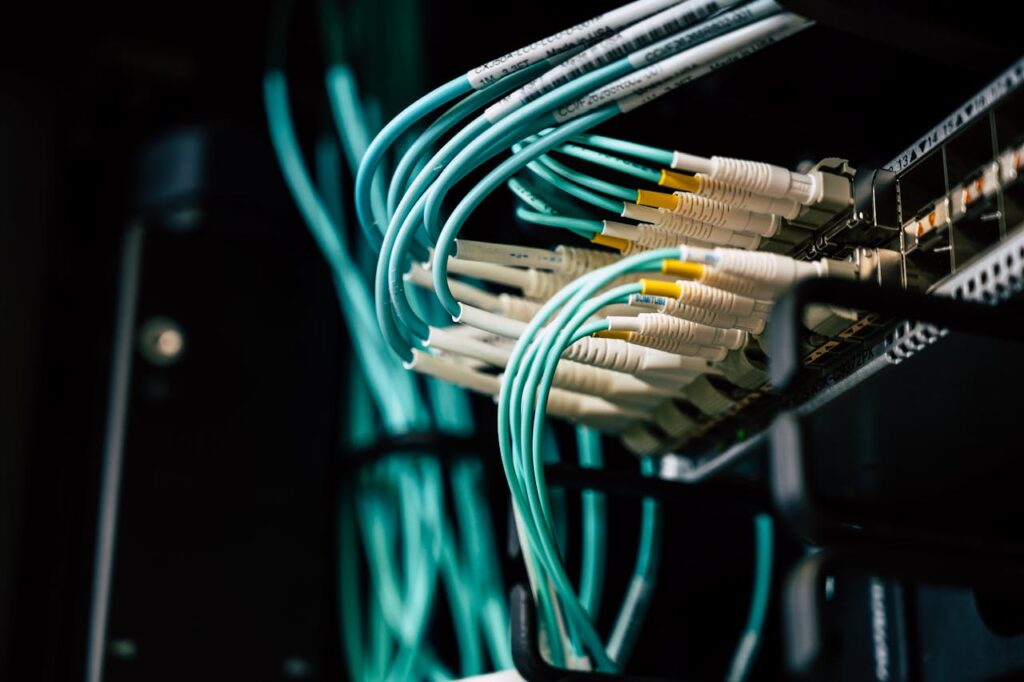
Abu Dhabi’s business environment is quickly changing into a network of “smart offices” in the era of digital transformation, utilizing state-of-the-art technologies to improve sustainability, productivity, and teamwork. Structured cabling, a strong physical infrastructure, is at the core of this revolution.
A well-designed cabling system serves as the foundation for a smart workplace, supporting everything from high-speed data transfer to the smooth integration of Internet of Things (IoT) devices, when paired with proactive IT support available around the clock.
What Is Structured Cabling?
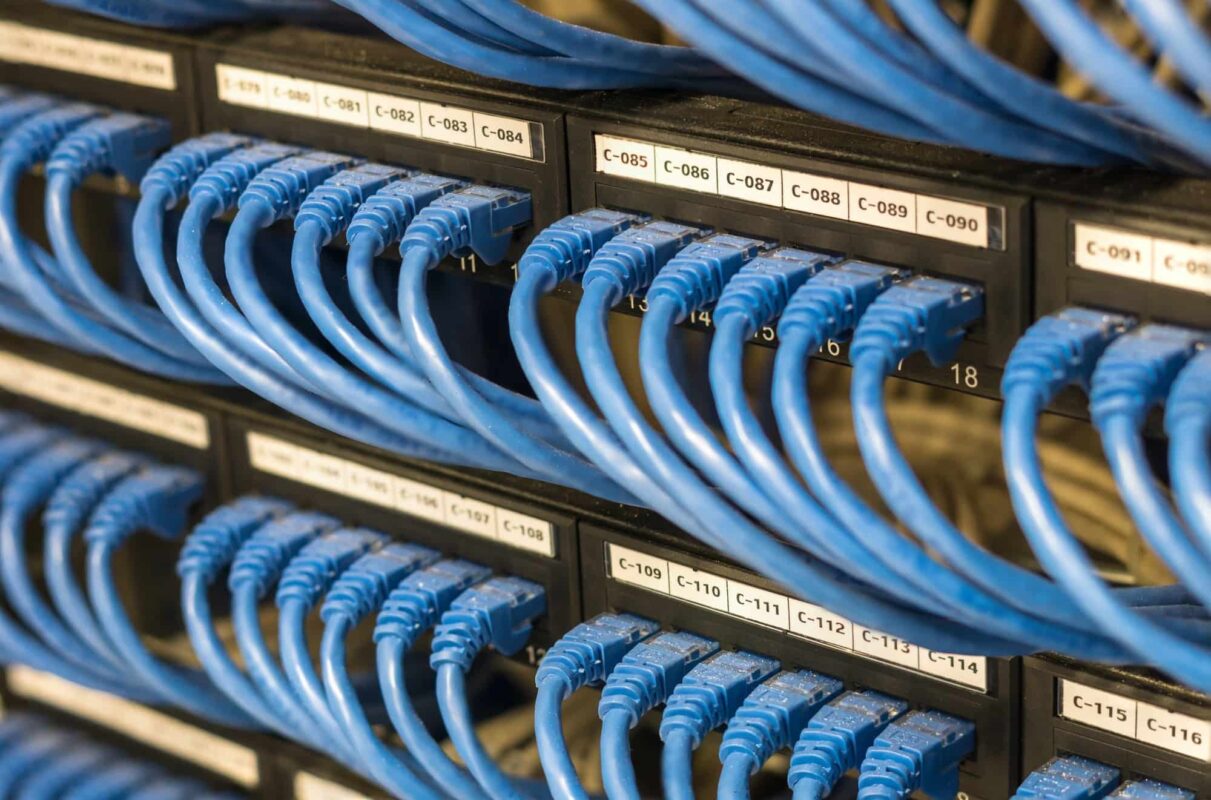
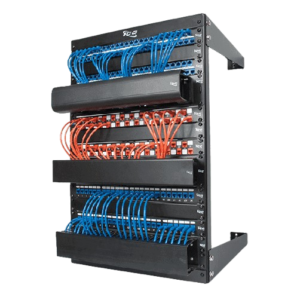
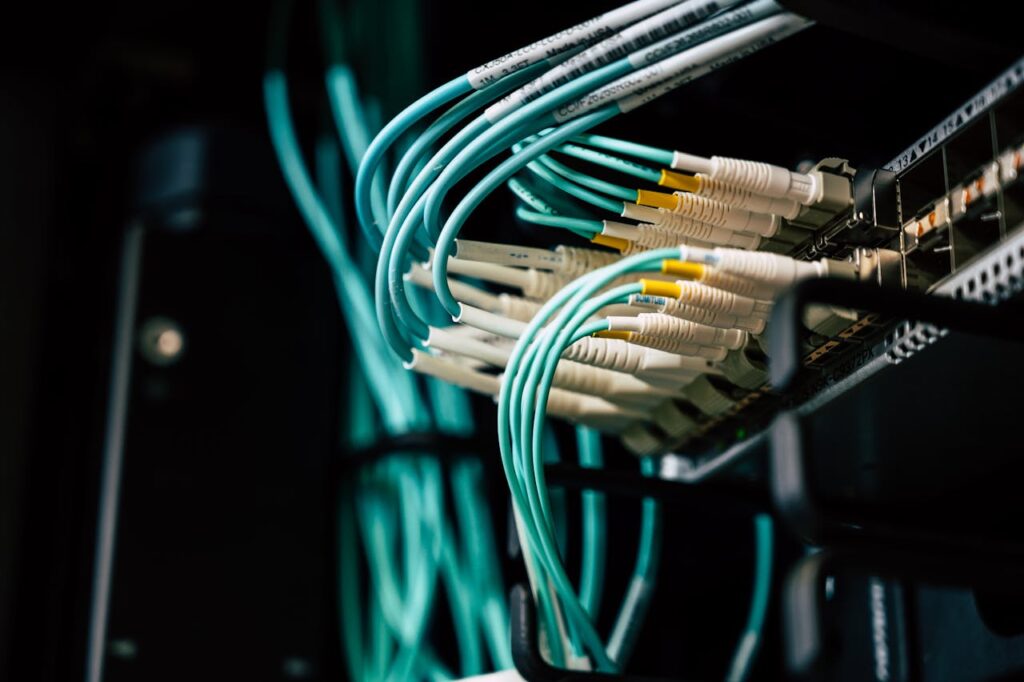
A standardized method for creating and setting up an extensive telecommunications cabling infrastructure is known as “structured cabling.” In contrast to ad-hoc wiring, structured cabling consists of a collection of subsystems and components arranged in a consistent architecture, including patch panels, telecommunication rooms, backbone cabling, and horizontal cabling.
- This guarantees – Consistency in uniform installation procedures and cable types (such as fiber optics and Cat6A).
- Modularity – You don’t have to rewire entire floors to add or move devices.
- Performance – Reduced signal interference and guaranteed bandwidth.
High-bandwidth applications like video conferencing, cloud-based services, and real-time analytics are supported by structured cabling in Abu Dhabi’s smart offices with the least amount of latency and the highest level of dependability.
Enabling High-Speed Connectivity
Data rates for smart offices are constantly rising. Only a high-performance network cabling system can provide the required throughput for virtual reality (VR) training rooms and 4K video walls in collaborative areas. Structured cabling guarantees –
- Future-Proofing – Adopts cutting-edge technologies such as 10GBASE-T and others.
- Low Latency – Preserves steady signal quality, which is essential for applications requiring real-time processing.
- Redundancy – Diverse routing and dual-fiber paths reduce single points of failure.
Businesses in Abu Dhabi can confidently implement bandwidth-intensive services without sacrificing user experience by investing in a structured network backbone.
Seamless Integration of Smart Office Technologies
Smart lighting, temperature sensors, access control systems, and occupancy trackers are just a few of the many Internet of Things gadgets that are integrated into a single management platform in a true smart office. A standardized path for data and power (through Power over Ethernet) is made possible by structured cabling, which allows –
- Centralized Management – Every gadget is connected to a single switch or controller room.
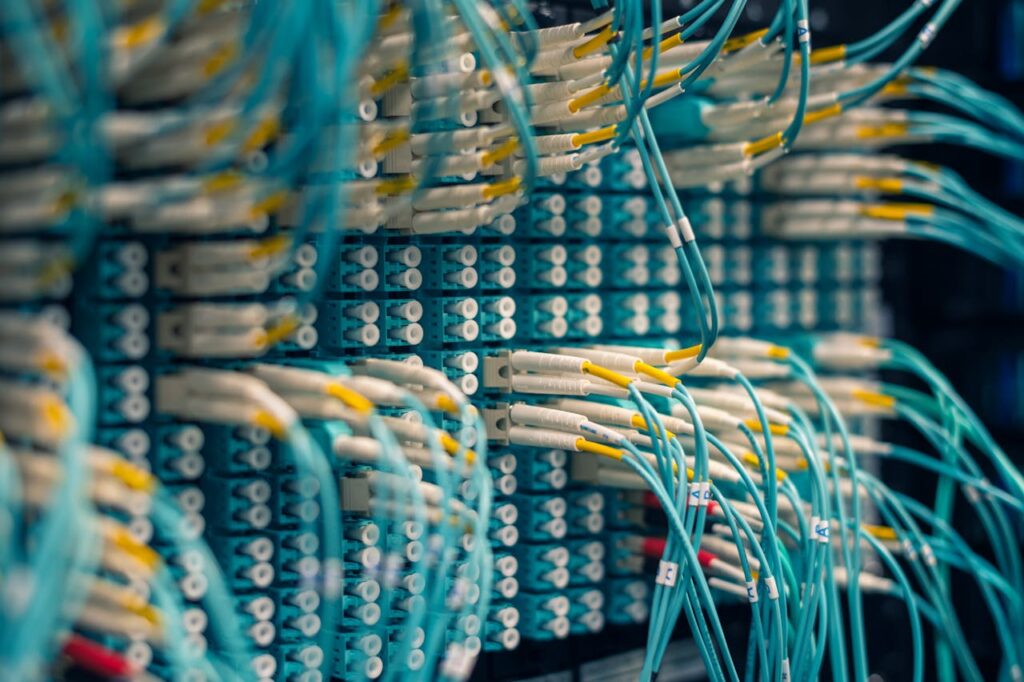
- Simplified Maintenance – Technicians use color-coded cables and well-organized labeling to swiftly identify problems.
- Scalability – To prevent disruptive cuts and splices, new sensors or workstations connect to existing outlets.
This plug-and-play feature speeds up automated resource allocation, wellness monitoring, and the implementation of green building initiatives.
Enhanced Reliability with Proactive IT Support
Unexpected bandwidth spikes, switch failures, or cut fibers can all occur in even the most carefully planned infrastructure. For this reason, IT support 24/7 is essential. Continuous observation and prompt action guarantee –
- Instant Fault Detection – When there is any signal deterioration, network management systems send out alerts.
- Remote Troubleshooting – Engineers can diagnose and frequently fix problems remotely without having to visit the location.
- Planned Maintenance – Downtime is reduced by cable certification tests and off-peak firmware updates.
24/7 support combined with structured cabling ensures operational continuity in Abu Dhabi’s international business center, where even a minute of network outage can result in a large loss of revenue.
Streamlined Moves, Adds, and Changes (MACs)
Teams expand, seating arrangements change, and new technologies are introduced in today’s dynamic workplace. The modular design of structured cabling makes Moves, Adds, and Changes (MACs) easier.
- Patch Panel Flexibility – Rather than demolishing walls, technicians can reassign ports at the patch panel.
- Standardized Outlets – Compatibility problems are avoided by using wall jacks that are the same throughout the building.
- Documentation & Labeling – Cable endpoints can be quickly identified with the help of clear schematics and labels.
For fast-paced Abu Dhabi businesses, this agility is crucial because it minimizes business disruption and lowers labor costs.
Improved Safety and Aesthetics
Structured cabling improves workplace safety and aesthetics in addition to performance –
- Cable Management – Trip hazards and cable damage are avoided with the right trays, conduits, and raceways.
- Fire Compliance – Strict Abu Dhabi Civil Defense regulations are met by low-smoke, fire-retardant cables.
- Clean Installations – A professional office setting is enhanced by hidden walkways and neat racks.
While guaranteeing adherence to regional laws, a well-maintained workplace enhances the company’s reputation.
Cost Efficiency Over the Long Term
The total cost of ownership is substantially lower with structured cabling, even though the initial investment may be higher than with haphazard wiring –
- Decreased Downtime – Productivity losses are minimized by quicker troubleshooting and fewer outages.
- Scalable Infrastructure – When growing or improving networks, steer clear of expensive overhauls.
- Reduced Maintenance – Technician hours are reduced by standardized parts and transparent documentation.
By combining this infrastructure with dependable, IT support 24/7, small problems are kept from becoming bigger ones, safeguarding both finances and reputations.
 Future Trends and Considerations
The cabling needs of smart offices will change as they develop –
- Increased Bandwidth Requirements – setup for multi-gigabit PoE and 25G/40G Ethernet for AI workstations.
- Converged Infrastructure – Data, voice, video, and building management signals are all transported together via a single cabling system in a converged infrastructure.
- Edge Computing – Distributed mini data centers at the network edge that require local high-speed connections are known as edge computing.
Compatibility with future innovations is ensured by maintaining a flexible, standards-based cabling architecture today.
Conclusion
The physical network beneath the surface is the unsung hero in Abu Dhabi’s efforts to lead the region in the adoption of smart offices. The dependability, performance, and scalability that contemporary workplaces demand are provided by structured cabling, and IT support 24/7 ensures uninterrupted operation and prompt problem-solving.
Digital services, IoT ecosystems, and next-generation applications can flourish on this unbreakable foundation. In addition to future-proofing your office, investing in this vital infrastructure enables your company to thrive in a business environment that is changing quickly.